

Introduction
Garbage compactor trucks play a crucial role in waste management systems, efficiently collecting and compacting trash from residential and commercial areas. These specialized vehicles are essential for maintaining clean and hygienic urban environments. However, the operation of garbage compactor trucks can be costly, with fuel expenses being a significant component of their overall operating costs. In this article, we will explore the importance of fuel efficiency in garbage compactor trucks and discuss various strategies and technologies that can be employed to maximize their fuel efficiency.
The Significance of Fuel Efficiency in Garbage Compactor Trucks
Fuel efficiency is a critical factor in the operation of garbage compactor trucks for several reasons. Firstly, fuel costs constitute a substantial portion of the total operating expenses of these vehicles. As such, improving fuel efficiency can lead to significant cost savings for waste management companies and municipalities. Additionally, reducing fuel consumption can help lower greenhouse gas emissions and contribute to environmental sustainability efforts.
Furthermore, enhancing fuel efficiency in garbage compactor trucks can improve overall fleet performance and productivity. By optimizing fuel consumption, these vehicles can operate more efficiently, complete more collection routes, and provide better service to communities. Improved fuel efficiency can also extend the lifespan of compactor trucks by reducing wear and tear on the engine and other components.
https://www.heli-truck.com/howo-6x4-20ton-flatbed-truck-with-crane/ to Fuel Efficiency in Garbage Compactor Trucks
Garbage compactor trucks face unique challenges that can impact their fuel efficiency. The stop-and-go nature of waste collection routes, frequent idling, and heavy loads of trash can all contribute to increased fuel consumption. Additionally, compactor trucks often operate in urban areas with congested traffic conditions, further affecting their fuel efficiency.
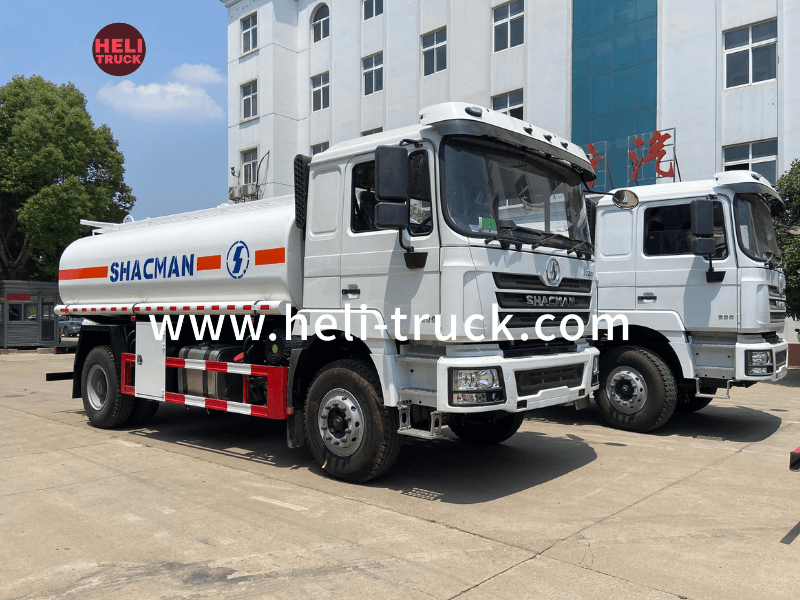
Moreover, the design and construction of garbage compactor trucks can also influence their fuel efficiency. Factors such as vehicle weight, aerodynamics, engine performance, and maintenance practices can all impact the fuel consumption of these vehicles. Therefore, addressing these challenges and implementing effective strategies to improve fuel efficiency is essential for optimizing the operation of garbage compactor trucks.
Strategies for Maximizing Fuel Efficiency
There are several strategies that waste management companies and municipalities can implement to maximize fuel efficiency in garbage compactor trucks. These strategies encompass various aspects of vehicle operation, maintenance, and technology integration. By adopting a comprehensive approach to fuel efficiency, organizations can achieve significant cost savings and environmental benefits. Let's explore some of the key strategies in detail:
1. Route Optimization: One of the most effective ways to improve fuel efficiency in garbage compactor trucks is through route optimization. By carefully planning collection routes based on factors such as distance, traffic conditions, and waste volume, companies can reduce unnecessary driving, idling, and fuel consumption. Utilizing route optimization software can help streamline collection routes and minimize fuel usage.
2. Driver Training and Behavior: Driver behavior has a significant impact on the fuel efficiency of garbage compactor trucks. Providing drivers with training on eco-driving techniques, such as smooth acceleration and braking, maintaining steady speeds, and avoiding excessive idling, can help reduce fuel consumption. Incentivizing drivers based on fuel efficiency performance can also encourage them to adopt more fuel-efficient driving habits.
3. Vehicle Maintenance: Proper maintenance of garbage compactor trucks is crucial for maximizing fuel efficiency. Regular servicing, including oil changes, filter replacements, and tire pressure checks, can help ensure that the vehicle operates at peak performance. Keeping the engine tuned and addressing any mechanical issues promptly can prevent fuel wastage and extend the lifespan of the truck.
4. Aerodynamics and Vehicle Design: Improving the aerodynamics of garbage compactor trucks can enhance fuel efficiency by reducing drag and improving airflow around the vehicle. Simple modifications such as installing side skirts, roof fairings, and aerodynamic mirrors can help optimize fuel consumption. Additionally, selecting lightweight materials for truck construction and optimizing vehicle design for fuel efficiency can further improve performance.
5. Idle Reduction Technologies: Idling is a common practice in the operation of garbage compactor trucks, leading to unnecessary fuel consumption. Implementing idle reduction technologies, such as automatic engine shut-off systems, can help minimize fuel wastage during stops and idling periods. These technologies can be integrated into the vehicle's engine management system to automatically shut off the engine when not in use, conserving fuel and reducing emissions.
6. Alternative Fuels and Hybrid Technologies: Another effective strategy for maximizing fuel efficiency in garbage compactor trucks is the adoption of alternative fuels and hybrid technologies. Utilizing cleaner fuels such as compressed natural gas (CNG) or liquefied natural gas (LNG) can reduce greenhouse gas emissions and lower fuel costs. Hybrid electric systems can also help improve fuel efficiency by supplementing the engine with electric power during operation.
7. Telematics and Vehicle Tracking: Implementing telematics systems in garbage compactor trucks can provide real-time data on fuel consumption, vehicle performance, and driver behavior. By analyzing this data, waste management companies can identify opportunities for improving fuel efficiency, optimizing routes, and reducing idle time. Vehicle tracking systems can also help monitor maintenance schedules and ensure that trucks are operating at peak efficiency.
8. Fleet Management Software: Utilizing fleet management software can streamline operations, improve efficiency, and reduce fuel costs in garbage compactor truck fleets. These software solutions offer features such as route planning, vehicle tracking, maintenance scheduling, and fuel monitoring, enabling companies to manage their fleets more effectively. By leveraging data-driven insights from fleet management software, organizations can make informed decisions to enhance fuel efficiency and overall fleet performance.
Case Studies and Best Practices
To illustrate the benefits of maximizing fuel efficiency in garbage compactor trucks, let's explore some real-world case studies and best practices implemented by waste management companies:
Case Study 1: City of Seattle Waste Management Program
The City of Seattle has implemented a comprehensive waste management program that focuses on improving fuel efficiency in garbage compactor trucks. By utilizing route optimization software, driver training programs, and vehicle maintenance protocols, the city has been able to reduce fuel consumption by 15% across its fleet of compactor trucks. The implementation of idle reduction technologies and hybrid vehicles has further contributed to cost savings and environmental benefits.
Case Study 2: Waste Management Company X
Waste Management Company X has adopted a holistic approach to fuel efficiency in its garbage compactor truck fleet. By integrating telematics systems and fleet management software, the company has optimized collection routes, monitored fuel consumption, and tracked driver behavior. Through driver training initiatives and regular maintenance practices, Waste Management Company X has achieved a 20% reduction in fuel costs and a significant decrease in greenhouse gas emissions.
Best Practices:
1. Conduct regular maintenance checks to ensure that garbage compactor trucks are operating efficiently.
2. Implement driver training programs on eco-driving techniques and fuel-efficient practices.
3. Utilize route optimization software to streamline collection routes and minimize fuel consumption.
4. Explore alternative fuels and hybrid technologies to reduce greenhouse gas emissions and lower fuel costs.
5. Integrate telematics systems and fleet management software to monitor fuel usage, vehicle performance, and maintenance schedules.
Conclusion
Maximizing fuel efficiency in garbage compactor trucks is essential for reducing operating costs, minimizing environmental impact, and improving overall fleet performance. By implementing a combination of strategies such as route optimization, driver training, vehicle maintenance, and technology integration, waste management companies can achieve significant fuel savings and operational benefits. As the demand for sustainable waste management practices continues to grow, prioritizing fuel efficiency in garbage compactor trucks will be crucial for enhancing efficiency, reducing emissions, and promoting environmental sustainability in urban areas.
In conclusion, by focusing on fuel efficiency and adopting best practices in the operation of garbage compactor trucks, waste management companies can drive positive outcomes for their operations, communities, and the environment. By embracing innovation, technology, and a commitment to sustainability, the waste management industry can pave the way for a cleaner, greener future.